One of my big sins is gluttony. I love food, I often consume more than my body needs, and if it weren’t for the threat of my clothes not fitting, I’ll happily put away more. For this passion, I squarely put the blame on my half-Parsi heritage. And to the fact that while growing up Parsi relatives cooked up vast quantities of delicious fare and taught us to eat to bursting point.
I was a skinny child with great metabolism and got away with consuming enormous portions without anyone so much as batting an eyelid. Adults merely assumed I “required” it for growing up, or even better, thought that I wasn’t really eating that much. Every time my mother dropped me off at my grandmother’s for the day, I’d be treated to amazing Parsi food cooked by my aunt Bhikoo. While climbing the worn wooden stairs to their home in Mumbai’s Gowalia Tank area I’d always wonder what I’d get to eat that day—a mouth-watering pomfret curry, tangy kolmi no patio (prawns in a sweet-sour tomato sauce), or heavenly mutton dhansak? As a child I hated vegetables. And I feared none here, for when they were part of the meal, they were unrecognisable, cooked to death with large quantities of succulent mutton.
Meat, chicken, fish, prawns—these are the star ingredients of Parsi cuisine. Vegetables, specially greens, you’ll find conspicuously missing. Salad? None unless you want to consider chopped onion dressed with lime juice and fresh coriander. An unhealthy diet? Maybe according to modern nutrition theory. But ask the average meat-loving Parsi and you’ll be scoffed at and told that the life-expectancy for Parsis is probably well above the Indian national average. I know plenty of Parsis who haven’t eaten a green veggie in 20 years, and whose diet must include some non-vegetarian item at every meal, even if it’s just eggs. I also know a few vegetarian Parsis, but they are rare exceptions.
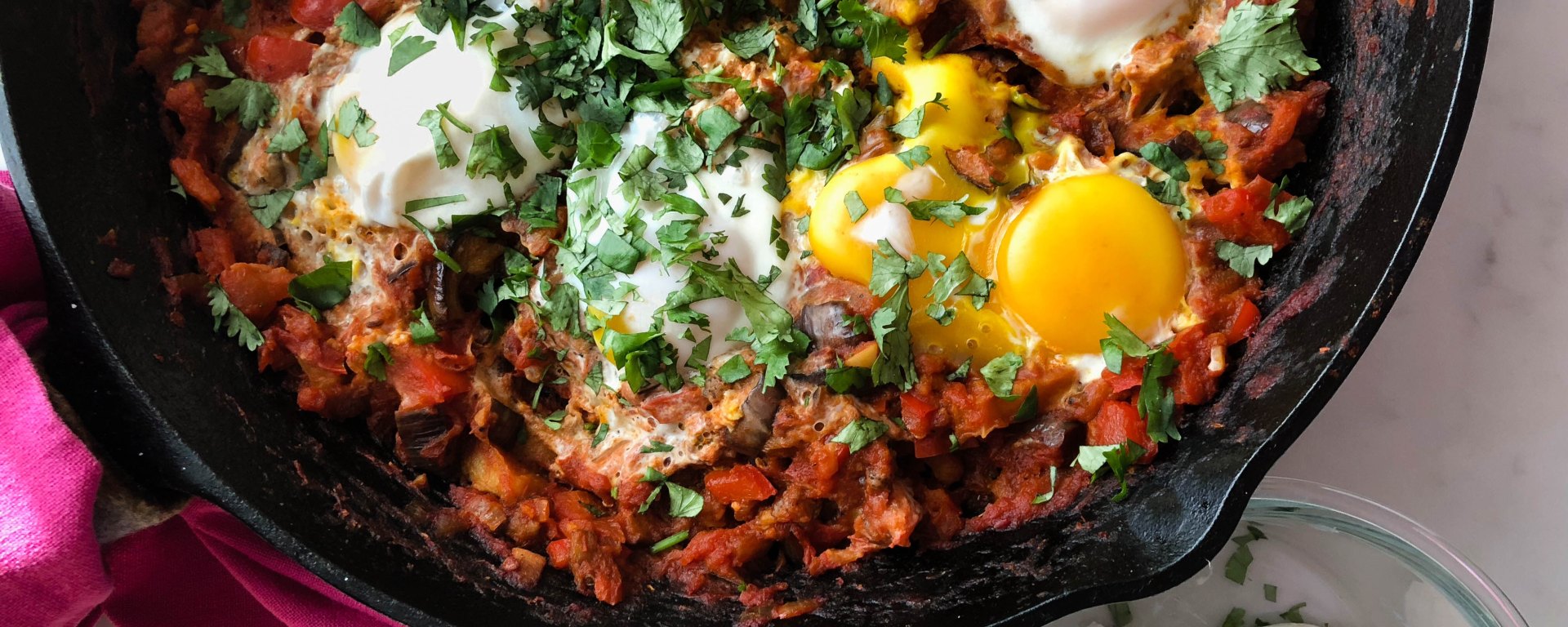
If a Parsi wants to dish up a quick-meal, chances are it will contain eggs. Special Parsi omelettes are often fried in a tonne of oil. There’s akoori (special scrambled eggs with onions, tomatoes and spices) which is sometimes topped with salli (deep-fried potato matchsticks). And then there’s salli per edu (eggs on fried potato matchsticks), tamota per edu (eggs on a tomatoes), kheema per edu (eggs on ground meat), bhida per edu (egg on okra)) and really, anything-per-edu, each with its own tantalising flavour.
So important is meat, and food in general, to Parsis that at a traditional Parsi wedding everybody (including the host) will unabashedly admit that guests come to the wedding mainly to eat. In fact the Parsi wedding feast is the most famous spread in the repertoire of Parsi cuisine.
This isn’t a fine-dining experience. Your food will be slopped onto your banana leaf by a poorly-paid server who has little knowledge of elegant presentation or sophisticated service. Ignore all the minor issues and you will enjoy a unique cuisine that is as delicious as it is distinctive.
With two out of three Parsis in the world living in Mumbai, this is perhaps the best place to attempt to sample some authentic Parsi cuisine. If you haven’t ever been invited to a Parsi gathering, make your way to one of the Parsi establishments in Mumbai or Pune and get a sampling of this limited edition cuisine. ♦
Top Photo by Jen Kosar on Unsplash
 The Long And The Short Of It